Synopsys Cloud
Cloud native EDA tools & pre-optimized hardware platforms
Request a Free Trial →


Synopsys.ai Full-Stack AI-Driven EDA Suite
Boost productivity for every stage of chip development


Make Your Journey to Multi-Die Systems Faster


Synopsys Cloud
Unlimited access to EDA software licenses on-demand

AppSec Leader for the Seventh Year in a Row
Discover why Synopsys continues to be recognized as a Leader among application security testing vendors evaluated by Gartner

#1 in Electronic Design Automation Solutions & Services
#1 in Interface, Foundation, & Physical IP
Global Leader in Application Security & Managing Software Risk
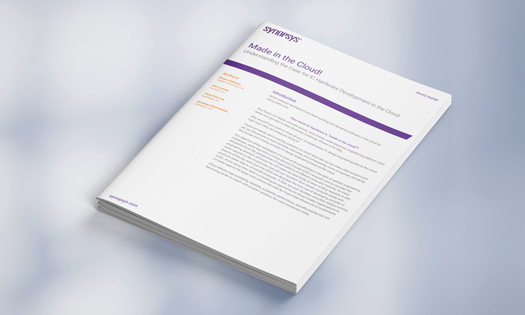
Helping you understand the case for IC hardware development in the cloud
Download Paper →
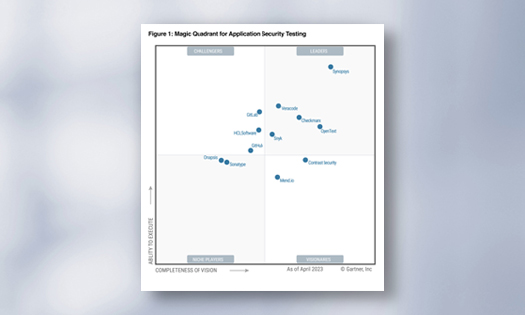
A Leader for the 7th year in a row
Download Report →Expand Your Expertise
Deepen your knowledge by diving into our insightful reports and webinars.


With the most advanced chip design, verification, IP integration, and software security and quality solutions, we’re driving a new era of innovation.

We aim to influence positive social and environmental change across the world—from our employees and partners to our customers and beyond.

Our employees’ passions spark our greatest ideas. Unlock your exciting future. Explore careers and make your mark in the world of Smart Everything with Synopsys.